
Classification
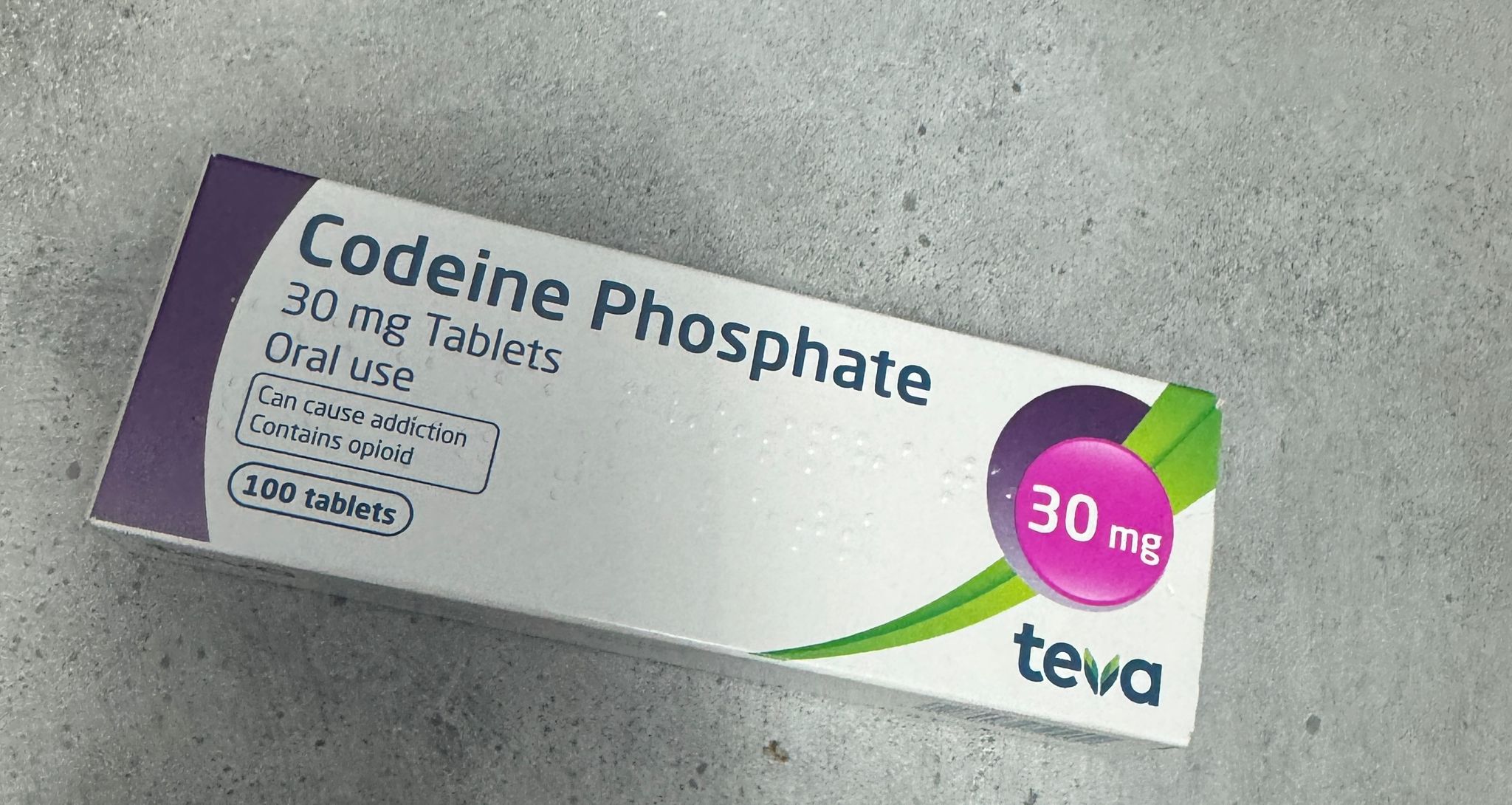
Codeine Phosphate 30mg x 100 is an oral medicine containing 30mg of codeine phosphate per tablet. Codeine belongs to the opioid class of medicines and is used primarily for the management of acute moderate pain when other analgesics, such as paracetamol or ibuprofen alone, have not provided sufficient relief. UK prescribing information also recognises codeine’s use in certain circumstances for dry or painful cough and diarrhoea. As an opioid medicine, codeine should be used at the lowest effective dose for the shortest appropriate period because prolonged or inappropriate use can lead to tolerance, dependence and addiction.
What is Codeine Phosphate 30mg x 100?
Codeine Phosphate 30mg x 100 contains 30mg of codeine phosphate in each tablet, supplied in a 100-tablet presentation. Codeine works as an opioid analgesic and can provide relief from moderate acute pain when simpler painkillers are not sufficient. The 100-tablet quantity describes the pack size and does not indicate that the entire pack should be taken during one course of treatment. Treatment duration and quantity should always follow the prescription and instructions provided by an appropriate healthcare professional.
Dosage
Codeine dosing depends on the condition being treated, age, medical history and individual response. UK product information states that adults may be prescribed 30mg to 60mg for pain at intervals specified by the prescriber, with a maximum of 240mg of codeine in 24 hours. Treatment for acute pain should generally be limited to the shortest necessary period, with UK product information advising that pain treatment should not normally continue beyond three days without medical review.
Older people and individuals with kidney or liver impairment may require a reduced dose. Codeine should not be given to children under 12 because of the risk of serious breathing problems associated with unpredictable conversion of codeine into morphine. Always follow the exact instructions on the prescription or pharmacy label rather than adjusting the dose independently.
How Does Codeine Phosphate 30mg x 100 Work?
Codeine works primarily through its conversion in the body to morphine, an active opioid metabolite. It acts on opioid receptors within the central nervous system, reducing the perception and emotional response to pain. Because people metabolise codeine differently, the amount of morphine produced can vary considerably between individuals. This variation contributes to differences in pain relief and can also affect the risk of opioid-related adverse effects.
Benefits
When prescribed appropriately, codeine can provide useful symptomatic relief for people experiencing moderate acute pain that has not responded adequately to other commonly used analgesics. Its established role as an opioid analgesic makes it an option for selected patients where stronger pain relief is clinically appropriate.
Potential therapeutic benefits include:
- Relief of acute moderate pain.
- Reduction in the perception of painful symptoms.
- An established oral formulation that can be taken as prescribed.
- Use alongside an appropriate pain-management strategy where clinically indicated.
- Additional prescription uses in certain formulations and circumstances.
Codeine is not suitable for everyone, and its potential benefits must be balanced against opioid-related risks such as drowsiness, constipation, dependence and respiratory depression.
When Should You Take Codeine Phosphate 30mg x 100?
Codeine should be taken exactly as prescribed by a doctor or supplied with professional instructions. For pain, UK product information specifies that treatment should use the lowest effective dose for the shortest necessary duration. If pain has not improved after the recommended short treatment period, medical advice should be sought rather than increasing the dose independently.
Because codeine can cause sleepiness and impaired alertness, patients should avoid driving, cycling or operating machinery if they experience these effects. Alcohol and other medicines that cause sedation can increase opioid-related risks.
When Should You Not Take Codeine Phosphate 30mg x 100?
Codeine is unsuitable for certain patients and medical circumstances. It should not be used in people with severe breathing problems, acute respiratory depression, severe liver impairment, acute alcoholism or known hypersensitivity to codeine or other opioid analgesics. It is also contraindicated in children under 12 and during breastfeeding.
Extra caution or medical assessment is required for people with asthma, reduced respiratory reserve, kidney or liver problems, a history of substance misuse, head injury, raised intracranial pressure or conditions affecting the bowel. Codeine is also unsuitable for people known to be CYP2D6 ultra-rapid metabolisers because they can convert codeine into morphine more rapidly, increasing the risk of opioid toxicity.
What is the Mechanism of Codeine Phosphate 30mg x 100?
Codeine produces analgesic effects through opioid receptor activity after conversion to morphine by the CYP2D6 enzyme. Morphine acts within the central nervous system and modifies pain signalling and pain perception. Because CYP2D6 activity differs between individuals, some people may experience inadequate pain relief while others can develop higher-than-expected morphine exposure and opioid toxicity.
Uses of Codeine Phosphate 30mg x 100
Depending on the specific licensed product and clinical circumstances, codeine phosphate may be used for:
- Acute moderate pain that has not responded adequately to simpler analgesics.
- Certain dry or painful cough indications in adults.
- Symptomatic treatment of diarrhoea in selected adult patients.
The precise indication depends on the licensed product, formulation and prescription. Codeine should not be used simply because stronger pain relief is desired; a healthcare professional should determine whether an opioid is appropriate.
Warnings and Precautions for Codeine Phosphate 30mg x 100
Codeine carries recognised opioid risks, including respiratory depression, tolerance, dependence and addiction. UK prescribing information recommends agreeing treatment goals and a plan for discontinuation before starting opioid treatment. If codeine has been used for a longer period and physical dependence has developed, stopping suddenly may cause withdrawal symptoms, so discontinuation may need to be gradual under medical supervision.
Patients should tell their doctor or pharmacist about other medicines, particularly sedatives, sleeping medicines and other opioids. Seek urgent medical assistance for severe breathing difficulties, extreme sleepiness, confusion or other signs of serious opioid toxicity.
Side Effects of Codeine Phosphate 30mg x 100
Like other opioid medicines, codeine can cause side effects. Common effects include:
- Constipation
- Nausea
- Vomiting
- Sleepiness or tiredness
- Sweating
- Dizziness
Some side effects can become more significant with higher doses or when codeine is combined with other medicines that depress the central nervous system. Severe breathing problems and other signs of opioid toxicity require urgent medical attention.
Storage for Codeine Phosphate 30mg x 100
Store Codeine Phosphate 30mg x 100 according to the instructions supplied with the specific medicine. Keep the tablets in their original packaging where appropriate, away from excessive heat and moisture, and safely out of the reach and sight of children.
Because codeine is an opioid with dependence and misuse potential, unused tablets should not be shared with other people. Ask a pharmacist about appropriate disposal of unwanted medicines rather than keeping them unnecessarily.
Where to Buy Codeine Phosphate 30mg x 100
To get Codeine Phosphate 30mg x 100 online, go to Steroid Sanctuary, today to get the best deal on this medicine .
Frequently Asked Questions
What is Codeine Phosphate 30mg x 100 used for?
Codeine phosphate is primarily used for acute moderate pain when other analgesics have not provided adequate relief. Certain licensed codeine formulations also have specific uses for cough or diarrhoea.
How long should codeine be taken for pain?
For acute pain, UK product information recommends using codeine for the shortest necessary period, with treatment generally limited to three days before medical review if adequate relief has not been achieved.
Can Codeine Phosphate 30mg be taken by children?
Codeine should not be used in children under 12 because of the risk of severe breathing problems. Specific restrictions also apply to certain adolescents and children following tonsil or adenoid surgery.
Can codeine cause dependence?
Yes. Regular or prolonged use can lead to tolerance, physical dependence and addiction. Treatment should therefore follow a healthcare professional’s instructions and should not be extended or increased independently.
What should you do if codeine causes severe sleepiness or breathing problems?
Severe sleepiness, confusion, shallow breathing or other signs of opioid toxicity require urgent medical attention. Do not take additional doses while waiting for professional advice.
Related products

Pain Meds/Anxiety Meds

Other
Pain Meds/Anxiety Meds

Pain Meds/Anxiety Meds
Bulk Buy product deals